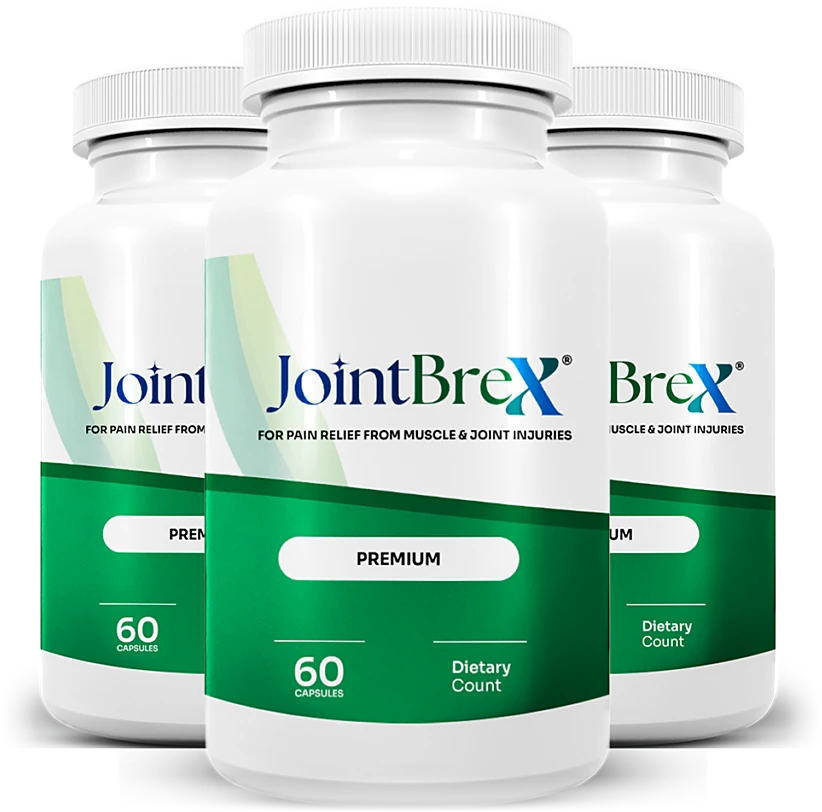
JointBrex ingredients explained: the six named ingredients
Meet the six ingredients named in the JointBrex product information, with neutral background on where each one comes from and where to find the complete Supplement Facts panel.
- Six ingredients are named in the product information we reviewed
- Background here is about origins and names, not results
- Amounts are on the Supplement Facts panel printed on the bottle label
- Customer support can share more details
A short ingredient tour
Ingredient lists can look like a foreign language on a busy shelf. So let us slow down and walk through the six ingredients named in the product information we reviewed, the way you might stroll through a garden and read each plant tag.
A quick ground rule: we share neutral background about where each ingredient comes from. We do not describe what any of them does in the body, and we do not state amounts, because none were listed in the material we reviewed. The complete Supplement Facts panel is printed on the bottle label, and customer support can share details.
Glucosamine sulfate and chondroitin sulfate
These two often appear side by side on supplement labels, so they are easy to think of as a pair. Glucosamine is commonly made from shellfish shells, and chondroitin is commonly sourced from animal tissue. That is useful to know when you read any label, since sourcing details are part of understanding what you are buying.
If shellfish or animal-sourced ingredients matter to you for personal reasons, the label is where to look first. Sourcing statements are part of good shopping, just like checking where the produce came from, and customer support can answer questions about what is printed on the bottle.
When the sulfate form is named, you will see it written right after the ingredient, as in "glucosamine sulfate." The wording on the bottle is your guide.
Boswellia extract
Boswellia is a tree resin extract from Boswellia serrata, a tree native to India. Resin is the sticky sap that trees produce, and it has been gathered for centuries for many uses. On a label, you may see it listed as boswellia extract or by its botanical name.
Resin-based extracts are a little like maple syrup: the tree is tapped, the sap is collected and then it is processed into something you can measure and bottle. The extract on the label is the finished form, not the raw sap.
Botanical names can feel fussy at first, but they are really a helpful tag, like the Latin label on a garden marker. Our post on herbal and botanical names on supplement labels explains how to read them.
Turmeric (curcumin)
Turmeric is the golden kitchen spice from the Curcuma longa root. If you have stirred a pot of curry or a warm golden drink, you have met it. Curcumin is its best-known compound, and you will often see the two names together, as in "turmeric (curcumin)."
For general plant background, the NIH publishes an approachable Herbs at a Glance series that is a pleasant place to browse.
MSM and bromelain
MSM stands for methylsulfonylmethane, a sulfur-containing compound that is also found in small amounts in some foods. The long name looks intimidating, but the short one is what you will see on the bottle.
Notice a pattern across the list: the ingredients come from many places, including a tree, a root, a fruit plant and a handful of other sources. Seeing that variety on a label is a good reason to read each entry with curiosity rather than skimming past.
Bromelain is a group of enzymes from the pineapple plant. It is a good example of how a familiar fruit can show up on a label under a more scientific name.
Reading the whole list in one careful pass
The brand positions JointBrex as a daily wellness-routine capsule, as stated by the brand, and it states that the product is natural, made in the USA and produced in a GMP certified, FDA registered facility. Pair those statements with the printed label and you have a full picture.
A simple habit helps here: copy the six names onto a card and keep it in the kitchen drawer. When you compare any capsule on a store shelf, you can hold the card up beside the label and see what is the same and what is different. It is a small, practical stone in your label-reading path.
If you would like a general primer on how supplement labels are organized, the NIH Office of Dietary Supplements offers a consumer fact sheet. Our ingredients page keeps the list in one spot, and the capsule label guide teaches the reading skills.
When you are ready to move from reading to ordering, see today's price on the order page. Every pack is backed by a 60-day money-back guarantee.