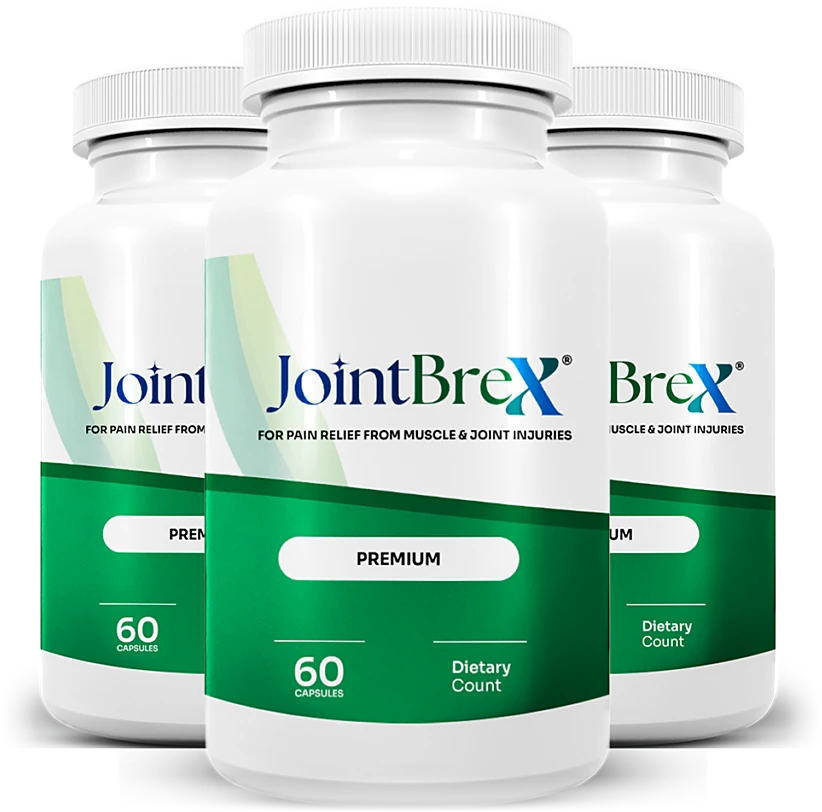
Herbal and botanical names on supplement labels
Latin plant names on a supplement label can look like a secret code, but a few simple habits make them easy to read, compare and understand.
- A botanical name has two parts: genus and species
- Common names and Latin names often appear side by side
- The Supplement Facts panel lists the plant part or extract used
- Official sources explain plant names in plain language
Why labels use Latin names
Pick up a supplement bottle at the kitchen table and you may see a phrase like Curcuma longa or Boswellia serrata. It looks fancy, but it is simply a plant's formal name. Common names change from place to place; the botanical name stays the same everywhere, which is why labels print it.
Think of it like the stamp on the bottom of a favorite stoneware mug. The mug has a nickname in your house, but the stamp tells you exactly which pottery made it. A botanical name works the same way for a plant.
How to read a two-part name
Most botanical names have two words. The first is the genus, a group of closely related plants. The second is the species, which points to one particular plant in that group. Both are usually written in italics, and the genus starts with a capital letter.
- Curcuma longa: the plant behind the golden kitchen spice turmeric.
- Boswellia serrata: a tree native to India, known for a resin that is used to make an extract.
- Ananas comosus: the pineapple plant, the source of the enzymes called bromelain.
Once you know the pattern, labels feel much friendlier. You are looking for a name, a plant part and, sometimes, a form such as powder or extract.
Common names, extracts and plant parts
Labels often show the everyday name first and the Latin name in parentheses. After that you may see the part of the plant used, such as root, leaf, flower, seed or resin. Words like "extract" mean the ingredient was prepared from the plant rather than ground whole.
Some ingredients are not plants at all. MSM stands for methylsulfonylmethane, a sulfur-containing compound also found in small amounts in some foods. Glucosamine is commonly made from shellfish shells, and chondroitin is commonly sourced from animal tissue. Knowing the source can make a label feel less mysterious.
A quick label-reading routine
Try this simple routine the next time you are at the shelf or the kitchen counter:
- Find the Supplement Facts panel on the bottle.
- Read the ingredient names, both common and Latin.
- Look for the plant part or form, such as extract.
- Check the serving directions printed on the label.
- Look for the manufacturer details and facility statements.
For deeper plain-language background on many plants, bookmark the NCCIH Herbs at a Glance collection. For a broader introduction to supplement labels, the U.S. FDA dietary supplements page is another trusted starting point. Our post on how to read a capsule supplement label goes step by step.
A real label example: JointBrex
Using JointBrex as a friendly example, the product information we reviewed names six ingredients: glucosamine sulfate, chondroitin sulfate, boswellia extract, turmeric (curcumin), MSM and bromelain. You can match each of them to the patterns above, from the plant names to the compounds and enzymes. No amounts were listed in what we reviewed; the complete Supplement Facts panel is printed on the bottle label, and customer support can share details.
The JointBrex ingredients page lists the names in one place, and the post on finding the Supplement Facts shows where to look on the bottle. As stated by the brand, it is a daily wellness-routine capsule, made in the USA in a GMP certified, FDA registered facility. The brand also describes it as a natural product.
When you are ready to look at options, see today's price on the order page. Packs come in 2, 3 and 6 bottles, and a 60-day money-back guarantee applies.
Keep a label notebook
A small habit worth trying: keep an index card in the pantry where you jot the names you have learned. Over a few weeks you will build a handy cheat sheet, one stone at a time, and label reading becomes second nature rather than a chore.
You can also bring the notebook to the farmers market. Many herb sellers love to chat about the plants they grow, and hearing a Latin name spoken aloud next to a living leaf or flower makes it far easier to remember. Share what you learn with a friend and the habit becomes a pleasant hobby.